All Categories
Featured
The Definitive Guide to Developing a Personalized Path to...
Getting The Building a Personalized Debt Relief Plan To Work
Facts About How to Connect With Using Credit Counseling B...

Everything to Know Throughout the Debt Forgiveness Journey Things To Know Before You Buy
Table of Contents
While new credit scores can assist you reconstruct, it is necessary to room out your applications. If you have a family member or pal with excellent credit history, consider inquiring to add you as a licensed individual on among their credit history cards. If they do it, the full history of the account will be contributed to your debt reports.
Before you consider debt negotiation or personal bankruptcy, it's important to understand the prospective advantages and drawbacks and how they may use to your situation. Both alternatives can decrease or remove big parts of unsecured financial obligation, helping you stay clear of years of unmanageable settlements.
If you're unsure that debt negotiation or bankruptcy is ideal for you, below are a few other debt relief alternatives to take into consideration. The proper way will depend upon your circumstance and goals. If you have some flexibility with your budget plan, below are some increased debt repayment choices you can pursue: Start by providing your financial debts from the smallest to the largest equilibrium.
What Does Creating a Personalized Route to Relief Mean?
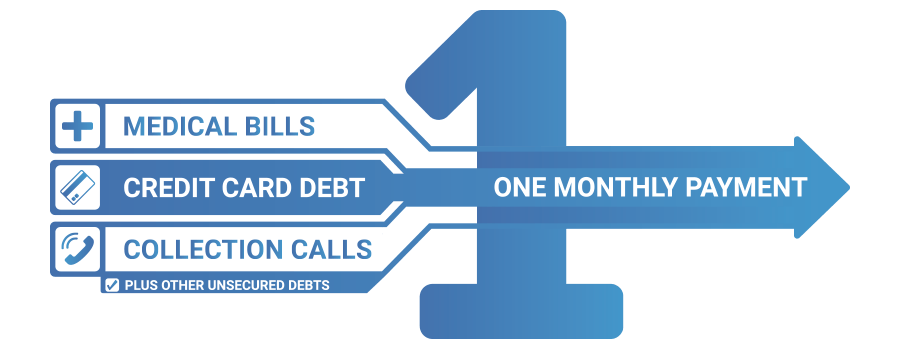
The therapist negotiates with lenders to lower rate of interest, waive late fees, and produce a workable regular monthly payment. You make one consolidated payment to the company, which after that pays your banks. While a DMP doesn't decrease the principal equilibrium, it aids you repay financial debt quicker and extra affordably, typically within three to five years.
While you can work out with creditors on your own, it's commonly a difficult and taxing process, especially if you need to settle a large quantity of financial obligation across several accounts. The procedure needs a strong understanding of your financial resources and the creditor's terms as well as confidence and determination. Consequently, there are financial obligation relief business likewise recognized as financial obligation negotiation companies that can take care of the negotiations for you.
People that enlist in financial debt alleviation programs have, on average, roughly $28,000 of unprotected financial debt across nearly 7 accounts, according to an evaluation commissioned by the American Association for Financial Debt Resolution, which looked at clients of 10 significant debt alleviation firms between 2011 and 2020. About three-quarters of those customers had at the very least one financial debt account efficiently cleared up, with the normal enrollee resolving 3.8 accounts and over half of their enlisted financial debt.
It prevails for your credit score to fall when you initially begin the financial obligation alleviation procedure, especially if you stop making repayments to your creditors. As each debt is cleared up, your credit rating need to begin to rebound. Be certain you understand the overall costs and the effect on your credit history when examining if debt settlement is the ideal choice.
How Initial Impact of Importance of Financial Literacy for Better Management : APFSC Decisions can Save You Time, Stress, and Money.
As discussed above, there are choices to debt settlement that may be a better fit for your financial situation. Below's a quick break down of how each alternative works: Financial debt combination lets you incorporate multiple financial obligations into one by getting a brand-new funding to settle your current financial debts. This technique turns numerous financial debts right into a solitary month-to-month repayment and frequently supplies a lower rate of interest, simplifying your finances and potentially conserving you cash in time.
Right here's just how every one jobs: Debt debt consolidation fundings: These are individual financings that you can use to resolve your existing financial obligations, leaving you with simply one monthly costs, normally at a reduced rate of interest rate. Balance transfer credit scores cards: This includes moving your existing credit rating card balances to a new bank card that offers a lower rates of interest or an advertising 0% APR for a set duration.
Once the duration finishes, rate of interest will be considerably high frequently over 20%. Home equity fundings or HELOCs (home equity lines of debt): These car loans enable you to obtain versus the equity in your home. You obtain a round figure or a line of credit rating that can be utilized to repay financial obligations, and you normally profit from reduced interest rates compared to unsecured fundings.
Rumored Buzz on Building a Personalized Debt Relief Roadmap
These strategies have a number of advantages, such as simplifying your settlements by consolidating numerous right into one and potentially reducing your rate of interest. They typically come with a configuration charge varying from $30 to $50, and a monthly upkeep cost of around $20 to $75, depending on the company you function with.
Having a lot of financial debt can be overwhelming, however it's still important to put in the time to consider the information of different services so you recognize any kind of possible dangers. The most effective debt strategy for you depends upon your monetary situation. If you're fighting with your expenses however still haven't missed any type of repayments, a financial obligation administration strategy could be a good fit especially if you don't desire your debt rating to tank.
Whichever your situation is, consider talking to a licensed debt counselor, a bankruptcy attorney, or a licensed financial obligation professional before moving on. They can aid you get a complete understanding of your financial resources and choices so you're better prepared to make choices. An additional variable that influences your options is the kind of financial debt you have.
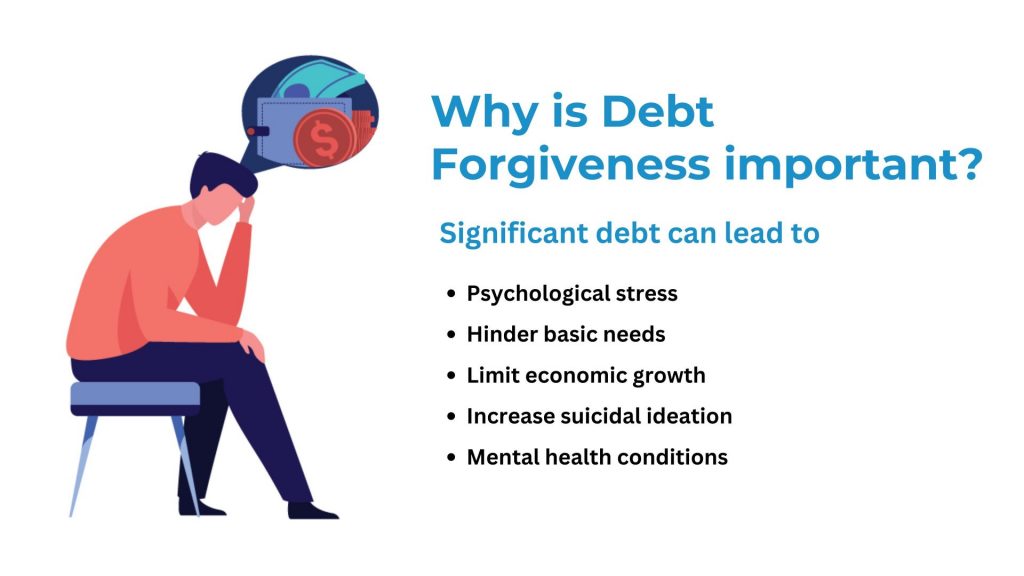
It is vital to understand that a discharge stands out from debt mercy, and financial debt does not get "forgiven" with a personal bankruptcy declaring. Our West Hand Coastline bankruptcy legal representatives can explain in more information. As a whole, "financial obligation mercy" refers to a scenario in which a financial institution does not think it can gather the total of the debt owed from a borrower, and either stops attempting to gather or concurs to forgive an amount less than what the debtor owed as part of a financial debt settlement agreement.
The Single Strategy To Use For What Regulations Guarantees While Undergoing Debt Relief

When this takes place, the financial obligation will certainly be thought about "terminated" by the IRS, and the borrower will typically obtain a termination of financial debt form the quantity of debt forgiven is taxable. In an insolvency instance, debt is not forgiven by a lender. Instead, it is released by the personal bankruptcy court, and discharge has a different significance from financial debt forgiveness.

Table of Contents
Latest Posts

The Definitive Guide to Developing a Personalized Path to Relief
Getting The Building a Personalized Debt Relief Plan To Work
Facts About How to Connect With Using Credit Counseling Before You Commit to a Debt Management or Forgiveness Program Experts Today Uncovered
More
Latest Posts
The Definitive Guide to Developing a Personalized Path to Relief
Getting The Building a Personalized Debt Relief Plan To Work